
Deciding to sell your home in Broomfield, CO means entering a market where the median sale price sits around $658,000, and properties are spending roughly 27 days on the market. With about 284

Dated: September 22 2026
Views: 28
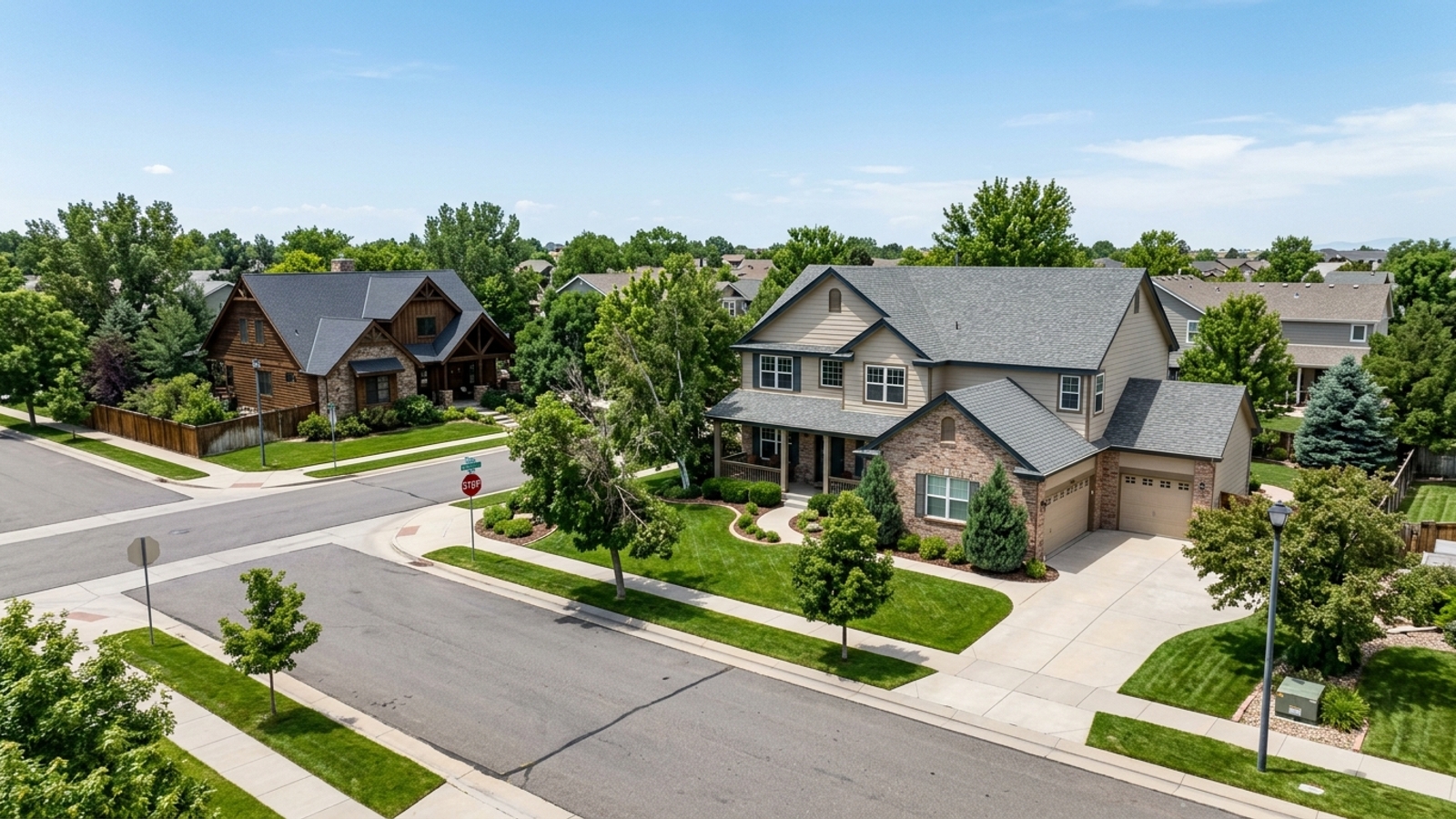
Deciding to sell your home in Broomfield, CO means entering a market where the median sale price sits around $658,000, and properties are spending roughly 27 days on the market. With about 284 available homes in inventory as of late summer 2026, buyers have real choices. That means your house needs to stand out the moment it hits the market - not after a price drop.
Sellers always ask me whether rearranging furniture or bringing in a professional team is actually worth it. Honest answer: preparing a house for the market goes well beyond basic cleaning. Done right, staging highlights the floor plan, maximizes natural light, and helps buyers picture themselves living there - which tends to translate into stronger offers.
The 2025 National Association of Realtors (NAR) Profile of Home Staging reports that 83% of buyers' agents say staging makes it easier for buyers to visualize a property as their future home. Meanwhile, 21% of sellers' agents stage all their listings before going live. What staging does, at its core, is shift the focus away from your personal belongings and onto the architectural features of the house.
Third-party industry sources citing NAR and Real Estate Staging Association data estimate staged homes can sell 5% to 25% faster. Some industry groups report an average return on investment exceeding 200%. Spending money on presentation upfront tends to prevent the price drops that come when a listing sits too long.
When buyers walk into an empty room, they struggle to gauge scale. Will a king-sized bed fit in the primary suite? Can the living room hold a standard sectional? Staging removes that guesswork by showing exactly how the space functions.
In a market where homes average just under a month on the market, a lingering listing is a problem. Homes that sit see price drops. Move-in-ready properties get offers faster. That's not a coincidence.
Buyers start online, scrolling through dozens of thumbnail photos before they ever schedule a showing. Staged rooms photograph better, which drives more foot traffic. A well-lit, styled room looks dramatically more appealing on a smartphone screen than an empty box.
Once they're inside, buyers are looking for signs of maintenance and flow. A thoughtfully arranged space feels larger and more inviting than an empty or cluttered one - and it signals that the home has been cared for.
The median cost of staging nationwide was $1,500 according to the 2025 NAR report, but local prices vary widely based on the size of the house and the scope of the project. A full-home staging package from a Colorado-based stager like Rocky Mountain Home Staging starts around $1,500 and scales up with the home's price point and square footage.
Local Broomfield staging listings show a broad range. Smaller consultations run a few hundred dollars. Staging a large vacant luxury property can exceed $10,000. For full staging, expect nationwide averages to fall between $1,500 and $5,000, with smaller condos coming in closer to $1,000 to $2,500.
Hiring a full-service company typically involves an initial consultation fee, furniture rental, and labor for delivery and setup. Most contracts cover the first 30 to 60 days of the listing. If your home is still on the market after that, you'll pay a monthly extension fee. It's worth having a direct conversation with your stager about Broomfield's average 27-day market time so you're choosing the right contract length from the start.
Sellers willing to do the heavy lifting can keep costs under a few hundred dollars - renting a storage unit, buying neutral paint, picking up a few inexpensive accessories like fresh towels or throw pillows. It's more work, but it's doable.
One approach I like: hire a professional for a one-hour consultation, which costs far less than full staging, then execute their detailed checklist yourself. You get expert eyes on the property without the full price tag.
Staging an empty house means bringing in everything from rugs to dining tables - it's the most expensive option by a significant margin, because stagers are creating a cohesive look from scratch. Occupied staging costs less because the professional works with your existing furniture, rearranging the layout, removing oversized pieces, and bringing in a few decorative accents to update the space.
Homeowners with modern, neutral furniture often succeed by simply paring down their belongings and handling the staging themselves. Sellers with heavily worn or taste-specific pieces usually benefit from a professional swapping them out. That's just the reality.
Balancing work, packing, and DIY staging can overwhelm a seller who needs to list quickly. Your timeline and the condition of your current decor will tell you which path makes sense.
Vacant properties almost always benefit from professional staging. Without furniture, minor imperfections - scuffed baseboards, bare walls - stand out, and rooms feel cold. If you're targeting the luxury market or your floor plan has awkward spaces, a pro is worth the investment. Stagers know exactly how to make a small den or an angled loft feel functional rather than puzzling.
A professional assesses the property from a buyer's perspective, identifying which features to highlight and which flaws to minimize. They handle all the logistics of moving furniture in and out, so you don't have to. They also carry an inventory of art, rugs, and lighting designed to appeal to a broad audience - pieces selected specifically to create a cohesive aesthetic that flows naturally from room to room.
Start by packing away personal photographs, collections, and everyday clutter. Clear every kitchen and bathroom counter, leaving only one or two decorative items out for display. Pull furniture away from the walls to create conversational seating areas rather than that lineup-along-the-perimeter look. Finally, open all window treatments and replace any burnt-out or dim bulbs with bright, matching ones - light sells.
Buyers spend most of their attention on the main living areas, the primary suite, and the kitchen. That's where your time and budget should go.
You don't need to stage every secondary bedroom or storage closet. As long as those spaces are clean and organized, buyers will look past a lack of decor.
In the living room, anchor the space with a neutral rug and arrange seating to highlight a focal point - a fireplace, a large window. Remove bulky recliners or extra side tables that disrupt the flow of foot traffic.
Kitchens need to look spotless and spacious. Clear the refrigerator of magnets, pack away small appliances, and add a simple bowl of fresh fruit to the island for a pop of color. That's it. Don't overthink it.
The primary bedroom should feel like a restful retreat. Use crisp white bedding, add a few textured throw pillows, and clear the nightstands of everything except matching lamps.
Bathrooms require deep cleaning - grout stains and water spots are immediate red flags for buyers. Put away everyday toiletries, hang fresh white towels, and add a new shower curtain. It's a small thing that makes a noticeable difference.
The first impression starts at the curb, before a buyer ever sets foot inside. Mow the lawn, trim overgrown bushes, and apply a fresh coat of paint to the front door.
Inside the entryway, remove shoes and coats from the immediate landing area. A small console table with a mirror above it can make a narrow foyer feel brighter and more welcoming than you'd expect.
Buyers need to picture their own lives in the house, which is genuinely hard to do when your personal history covers the walls. Pack up family portraits, diplomas, and religious items. Rent a storage unit for seasonal clothing, excess furniture, and packed boxes. Closets should look half-empty - it suggests the home has plenty of storage, which is always a selling point.
An occupied home means the seller has to maintain a showroom appearance while managing daily life - regular meals, laundry, pets, all of it - while being ready for a showing at a moment's notice. It's a lot to juggle.
Vacant homes give stagers a blank canvas, but they lack the warmth that draws buyers in. Each situation calls for a different approach to get the property ready for photos and showings.
Establish a daily routine to keep the house show-ready. Wipe down counters after every meal, make the beds first thing in the morning, and keep laundry hidden in hampers. Build a "showing basket" for last-minute tidying - when your agent calls with a showing request, toss mail, remote controls, and pet toys into the basket and take it with you when you leave. Simple, but it works.
Virtual staging uses digital software to add furniture and decor to photos of an empty house. It costs a fraction of physical staging and helps online listings capture buyers' attention - which is where most searches begin. The limitation is straightforward: buyers will still walk into an empty house during the actual tour. Virtual staging works best for budget-conscious sellers or properties with a layout that's easy to understand without physical furniture in the room.
Sellers in the Denver metro area have access to a variety of staging professionals, from full-service design firms to independent consultants. Finding the right fit comes down to your property type and your budget.
Well-rated local companies serving Broomfield, CO include Denim & Duke, a Broomfield-based full-service and DIY styling company, and Wildflowers Home Staging, which handles both vacant and occupied properties. You can also find local professionals like Janette Dorssom and Anna Brouwer, both Broomfield-based with 5.0 ratings on platforms like Houzz and Angi.
Review the stager's portfolio to make sure their aesthetic matches your home's architecture. A modern downtown condo needs a different furniture style than a traditional suburban house - that matters more than people think. Verify that the company carries proper insurance to cover any potential damage during the move-in process, and confirm they own their inventory rather than renting it, which typically leads to better pricing and availability.
Ask about the initial contract term and the exact cost of monthly renewals if the house takes longer to sell. Clarify who's responsible for moving your existing furniture out of the way. Get a detailed breakdown of which rooms are included in the package - most stagers focus on the primary living spaces, but you need to know exactly what the quote covers before you sign anything.
Yes, staging generally speeds up the timeline. According to third-party industry sources citing NAR data, staged homes can sell 5% to 25% faster than unstaged properties. It helps buyers visualize the space and keeps the focus on the home's features rather than the current owner's belongings.
Costs vary widely based on the project size. A full-home staging package from a local company like Rocky Mountain Home Staging starts around $1,500, while nationwide averages for full staging range from $1,500 to $5,000. Vacant luxury homes can exceed $10,000.
For an occupied home, focus on decluttering, depersonalizing, and using a "showing basket" to quickly hide daily items before a tour. For a vacant listing, professional physical staging or digital virtual staging is recommended to give empty rooms a sense of scale and warmth.
Leaving personal photos on the walls and clutter on the counters are common errors. Pushing all the furniture against the walls is another mistake; instead, arrange seating to create clear walkways and conversational areas.
Virtual staging digitally adds furniture to listing photos to attract online buyers. It costs much less than physical staging, but since buyers will tour an empty house in person, it works best for homes with clear, open layouts that don't need physical furniture to demonstrate scale.
The timeline depends on whether you're doing it yourself or hiring a pro. A professional stager can usually install their furniture in one or two days once booked. DIY staging and deep cleaning might take a seller a couple of weekends to complete.
With Broomfield homes averaging roughly 27 days on the market, pricing and presentation matter from day one. There's no runway to course-correct once you're live. An experienced agent will walk through your property and give you direct, actionable feedback on what stays, what goes, and what needs a fresh coat of paint.
A thorough listing consultation helps you prioritize which updates and staging efforts will actually move the needle - so you're not spending money on upgrades that buyers in your price point don't value.
During a walkthrough, your agent assesses the condition of your home compared to recent neighborhood sales. They'll point out minor repairs that could distract buyers - leaky faucets, scuffed trim, things that seem small but register immediately. You'll get a room-by-room breakdown of recommended changes tailored to your specific price point, not a generic checklist.
Agents maintain networks of reliable contractors, cleaners, and staging professionals. A good agent can recommend a stager whose style fits your home and whose pricing aligns with your budget - without you having to cold-call anyone. Coordinating with your agent also ensures the staging schedule lines up with photography and your listing date, so the whole process moves efficiently and you get on the market without unnecessary delays.
Deciding to sell your home in Broomfield, CO means entering a market where the median sale price sits around $658,000, and properties are spending roughly 27 days on the market. With about 284
If you're shopping along the Front Range, there's a good chance you've already started comparing Broomfield and Boulder. They're a short drive apart along the US-36 corridor, but the two cities don
The northern Denver suburbs aren't one-size-fits-all, and if you're weighing living in Broomfield against Erie, that becomes obvious pretty quickly. These two communities sit close to each other on
If you're shopping in the northwest Denver metro and keep going back and forth about living in Broomfield, CO versus Arvada, you're not alone. Broomfield and Arvada both put you close to major
 The content relating to real estate for sale in this Web site comes in part from the Internet Data eXchange (IDX) program of METROLIST, INC., DBA RECOLORADO©. Real estate listings held by brokers other than Sellstate Altitude are marked with the IDX Logo. This information is being provided for the consumers' personal, non-commercial use and may not be used for any other purpose. All information subject to change and should be independently verified. September 25, 2026 3:28 PM UTCd
1. This publication is designed to provide information regarding the subject matter covered. It is displayed with the understanding that the publisher and authors are not engaged in rendering real estate, legal, accounting, tax, or other professional services and that the publisher and authors are not offering such advice in this publication. If real estate, legal, or other expert assistance is required, the services of a competent, professional person should be sought.
2. The information contained in this publication is subject to change without notice.
METROLIST, INC., DBA RECOLORADO MAKES NO WARRANTY OF ANY KIND WITH REGARD TO THIS MATERIAL, INCLUDING, BUT NOT LIMITED TO, THE IMPLIED WARRANTIES OF MERCHANTABILITY AND FITNESS FOR A PARTICULAR PURPOSE. METROLIST, INC., DBA RECOLORADO SHALL NOT BE LIABLE FOR ERRORS CONTAINED HEREIN OR FOR ANY DAMAGES IN CONNECTION WITH THE FURNISHING, PERFORMANCE, OR USE OF THIS MATERIAL.
3. PUBLISHER'S NOTICE:
All real estate advertised herein is subject to the Federal Fair Housing Act and the Colorado Fair Housing Act, which Acts make it illegal to make or publish any advertisement that indicates any preference, limitation, or discrimination based on race, color, religion, sex, handicap, familial status, or national origin.
4. METROLIST, INC., DBA RECOLORADO will not knowingly accept any advertising for real estate that is in violation of the law. All persons are hereby informed that all dwellings advertised are available on an equal opportunity basis.
5. 
6. © 2026 METROLIST, INC., DBA RECOLORADO© - All Rights Reserved
6455 S. Yosemite St., Suite 500
Greenwood Village, CO 80111 USA
7. ALL RIGHTS RESERVED WORLDWIDE. No part of this publication may be reproduced, adapted, translated, stored in a retrieval system or transmitted in any form or by any means, electronic, mechanical, photocopying, recording, or otherwise, without the prior written permission of the publisher. The information contained herein including but not limited to all text, photographs, digital images, virtual tours, may be seeded and monitored for protection and tracking.
Options
Show More...
 The real estate listing information and related content displayed on this site is provided exclusively for consumers’ personal, non-commercial use and may not be used for any purpose other than to identify prospective properties consumers may be interested in purchasing. This information and related content is deemed reliable but is not guaranteed accurate by elevateMLS.
 Information should be deemed reliable but not guaranteed, all representations are approximate, and individual verification is recommended. Copyright ©2026 All rights reserved.
